

An aching jaw is more than a simple annoyance—it can impact your ability to eat, speak, sleep, and even focus throughout the day. Many adults experience jaw discomfort at some point, but understanding why it occurs and how to address it effectively is crucial for long-term relief. Jaw pain can stem from muscles, joints, teeth, nerves, or even nearby areas such as the ears and sinuses, making an accurate diagnosis essential.
In dentistry, an aching jaw is frequently associated with conditions like temporomandibular joint disorders (TMJ/TMD), teeth grinding, bite misalignment, or dental infections that require professional attention. Non-dental factors—such as stress, arthritis, or sinus pressure—can also contribute to the discomfort, making it challenging for patients to find the right solution on their own.
For anyone experiencing jaw pain, consulting an experienced dentist Clacton can help pinpoint the root cause and determine the most effective treatment. In this guide, we examine the five most common causes of an aching jaw and provide clear, practical solutions for each level of severity, helping patients achieve lasting comfort and improved oral health.
1. Understanding What an Aching Jaw Really Means
An aching jaw is a common dental and facial complaint, but many patients don’t realise how many underlying conditions can trigger this discomfort. In most cases, an aching jaw develops when the muscles, joints, or teeth are under stress, inflamed, or misaligned. Because the jaw is involved in essential daily movements—speaking, chewing, yawning—any small issue can quickly turn into noticeable pain.
From a dental perspective, an aching jaw often signals problems such as TMJ disorders, grinding or clenching (bruxism), or pressure caused by impacted teeth. However, the pain isn’t always limited to dental causes. Sometimes an aching jaw is a sign of stress-related muscle tension, nerve problems, arthritis, or even sinus congestion. That’s why paying attention to when the pain happens—morning, night, chewing, or at rest—helps identify the true source.
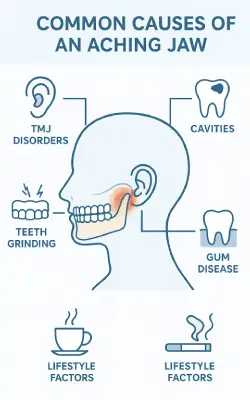
Understanding the early signs of an aching jaw is crucial. Symptoms may include stiffness, clicking noises, headaches, facial tenderness, or difficulty opening the mouth fully. When these signs are ignored, the aching jaw can escalate, leading to chronic discomfort and long-term complications.
At AdmiredClinic, patients struggling with an aching jaw receive a detailed evaluation to determine whether the issue comes from the teeth, bite alignment, muscles, or the jaw joint itself. This step is essential to choosing the right treatment and preventing the problem from returning.
2. TMJ Disorders: A Leading Cause of an Aching Jaw
One of the most common reasons behind an aching jaw is a condition known as TMJ disorder (temporomandibular joint disorder). The TMJ is the small but powerful joint that connects your jawbone to your skull, allowing you to chew, talk, and move your jaw naturally. When this joint becomes strained or inflamed, it can create persistent jaw pain that radiates to the ears, temples, and even the neck.
TMJ disorders often develop due to teeth grinding, jaw clenching, arthritis, trauma, or even prolonged stress. Many patients experiencing an aching jaw report symptoms such as clicking or popping sounds, difficulty chewing, or a feeling that the jaw becomes “stuck” when opening or closing. These symptoms can worsen over time without proper treatment.
Since TMJ issues directly affect the jaw joint and surrounding muscles, they can create a constant feeling of pressure and lead to a chronic aching jaw, especially in the morning or after long periods of talking or chewing. This makes early diagnosis crucial.
At AdmiredClinic, dentists use digital imaging, bite analysis, and muscle evaluations to pinpoint whether the aching jaw is TMJ-related. Treatments may include bite adjustments, nighttime splints, targeted exercises, and lifestyle modifications to reduce stress on the joint. Addressing TMJ disorders early can significantly improve comfort and prevent long-term damage.

3. Teeth Grinding and Clenching (Bruxism): A Hidden Trigger Behind an Aching Jaw
Another major cause of an aching jaw is bruxism, a condition where patients grind or clench their teeth—often without realising it. Bruxism usually happens during sleep, which makes it difficult to detect until symptoms start appearing. The constant pressure created by grinding places excessive strain on the jaw muscles and joints, leading to morning jaw pain, headaches, and tooth sensitivity.
Because the muscles stay tense for long periods, people with bruxism commonly describe their symptoms as a deep, dull, and persistent aching jaw. Over time, this pressure can wear down teeth, cause fractures, and even shift bite alignment, which only increases the discomfort.
Several factors may trigger bruxism, including stress, anxiety, misaligned teeth, or sleep disorders. Spotting early signs—such as flattened teeth, chipped enamel, sore facial muscles, or a tight jaw—helps prevent long-term complications.
Treatment typically focuses on reducing jaw pressure and protecting the teeth. Many patients benefit from nightguards, jaw relaxation exercises, and stress-management techniques. Addressing bruxism early not only reduces an aching jaw but also protects the teeth and jaw joint from further damage.
4. Dental Issues: Cavities, Gum Disease, and Impacted Teeth
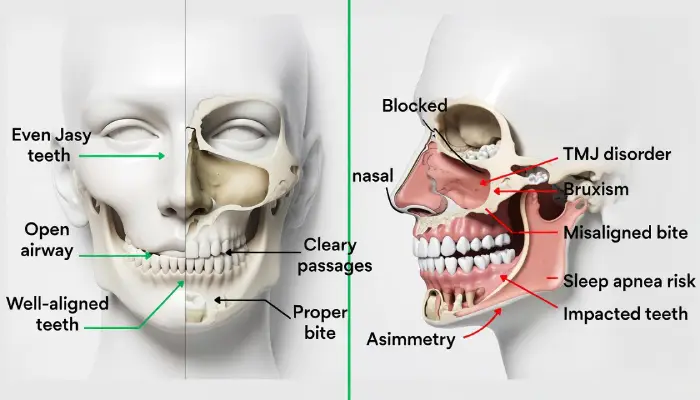
Dental problems are another common cause of an aching jaw. Issues such as cavities, gum disease (periodontitis), or impacted wisdom teeth can create pressure and inflammation that radiates to the jaw, causing persistent discomfort. Even a single infected tooth can lead to an aching jaw on one side, making everyday activities like chewing or speaking painful.
Cavities that reach the inner layers of a tooth can irritate nerves, resulting in referred pain to the jaw. Similarly, advanced gum disease may weaken the supporting structures of teeth, creating jaw soreness or a feeling of tightness. Impacted teeth, especially wisdom teeth, can push against neighboring teeth and bone, often causing swelling and a dull, constant ache.
Early detection and treatment of dental issues are essential to relieve jaw pain and prevent complications. Filling cavities, deep cleaning for gum disease, or surgical removal of impacted teeth are common solutions that can dramatically reduce the symptoms of an aching jaw.
Maintaining regular dental check-ups and good oral hygiene can prevent many of these issues. By addressing dental problems promptly, patients can minimize the risk of developing chronic jaw pain and ensure healthier teeth and gums.
5. Lifestyle and Medical Factors Contributing to an Aching Jaw
An aching jaw is not always caused by dental issues; lifestyle habits and medical conditions can also play a significant role. Stress, poor posture, and prolonged jaw clenching during the day can strain the jaw muscles, leading to persistent soreness. Even habits like chewing gum excessively, biting nails, or chewing on pens can contribute to jaw fatigue and discomfort over time.
Medical conditions such as arthritis, sinus infections, or nerve-related problems may also manifest as jaw pain. For instance, inflammation in the temporomandibular joint (TMJ) due to arthritis can create a deep, constant aching jaw that worsens with movement. Similarly, sinus pressure from a sinus infection can radiate pain to the upper jaw, causing discomfort even without any dental problems.
Being aware of these factors is crucial for effective management. Reducing stress, practicing good posture, avoiding excessive jaw strain, and treating underlying medical conditions can all help relieve an aching jaw. Combining these approaches with dental evaluation ensures a comprehensive strategy for long-term relief.
Getting Relief from an Aching Jaw: How AdmiredClinic Can Help
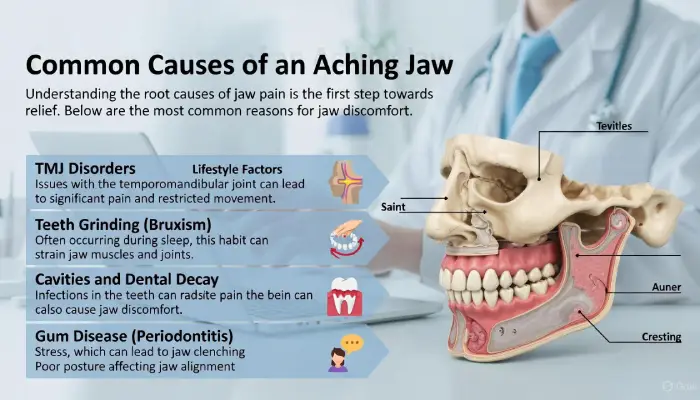
An aching jaw can significantly impact daily life, affecting chewing, speaking, and even sleep. Understanding the root causes—whether it’s TMJ disorders, teeth grinding, dental infections, or lifestyle and medical factors—is essential for effective treatment. By identifying the source of the pain, patients can follow a targeted plan to restore comfort and prevent long-term complications.
At AdmiredClinic in Clacton, our team of dental professionals provides comprehensive evaluations to pinpoint the cause of an aching jaw. We combine advanced diagnostic tools with personalized treatment plans, which may include dental procedures, TMJ therapy, nightguards for bruxism, or lifestyle recommendations. Our goal is to help patients regain normal jaw function, reduce pain, and enjoy a healthier, more confident smile.
If you’re struggling with an aching jaw and want professional guidance, our experienced team at AdmiredClinic is ready to help. Restore comfort, protect your teeth, and enjoy daily activities without discomfort.
